
Buying a home in Denver is exciting, especially when you finally walk into a property that feels right. Maybe it's the updated kitchen, the mountain views, or the backyard you've been dreaming about. Whatever catches your attention, it's easy to start imagining what life might look like in that space.
However, after 20 years in Denver real estate, I've learned that some of the most important details aren't the ones that immediately stand out during a showing. They're the things you notice three months after moving in, once the excitement settles and everyday life takes over.
I've walked through hundreds of Colorado homes with buyers, and while everyone has different priorities, there are a few things I always encourage people to consider. Before you fall in love with the countertops, let's talk about what actually makes a house a great place to live.
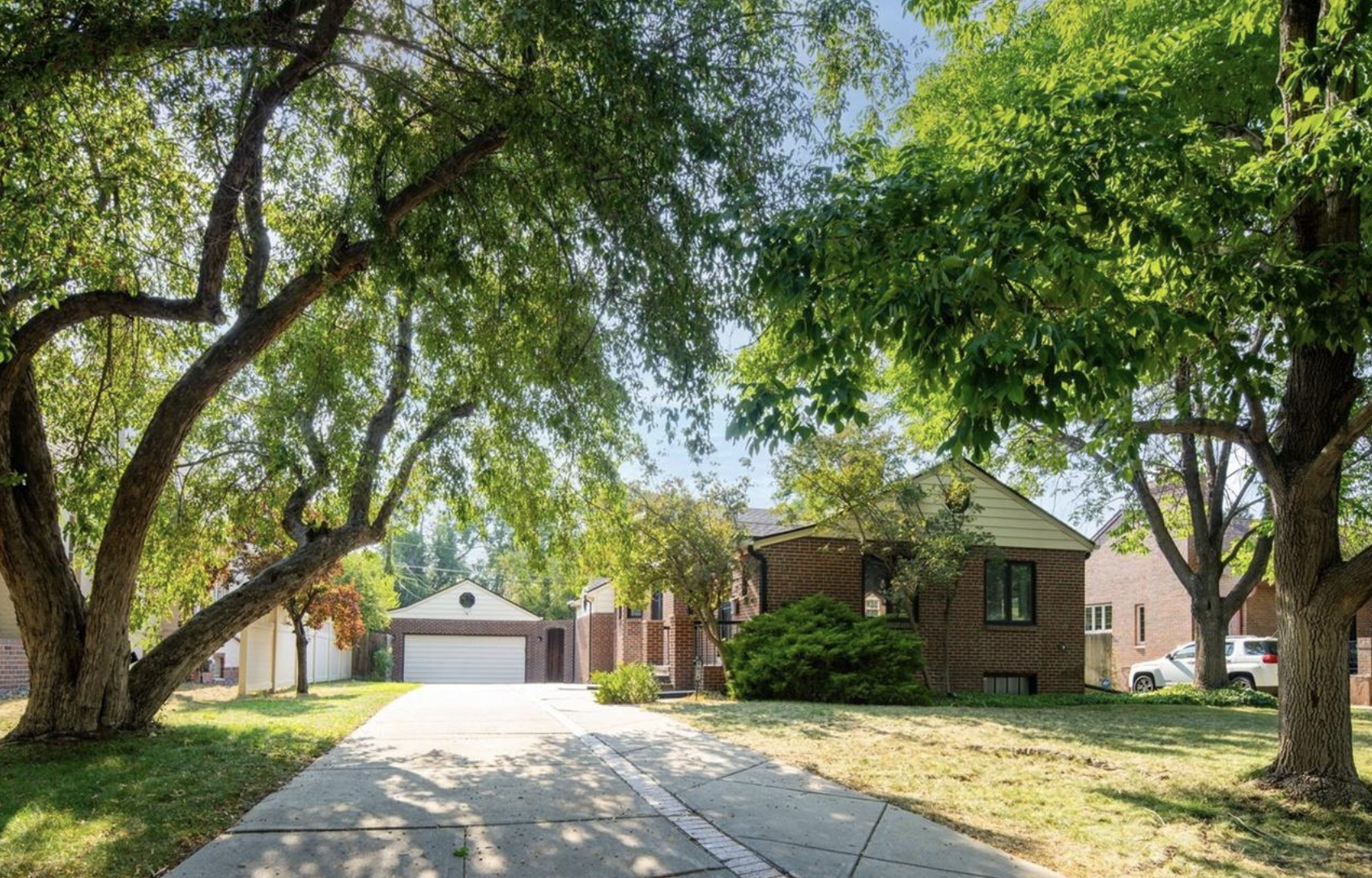
ONE | Buying a Home in Denver? Don't Forget About Storage
Let's start with something that isn't particularly exciting but makes a huge difference. Where is all your stuff going to go?
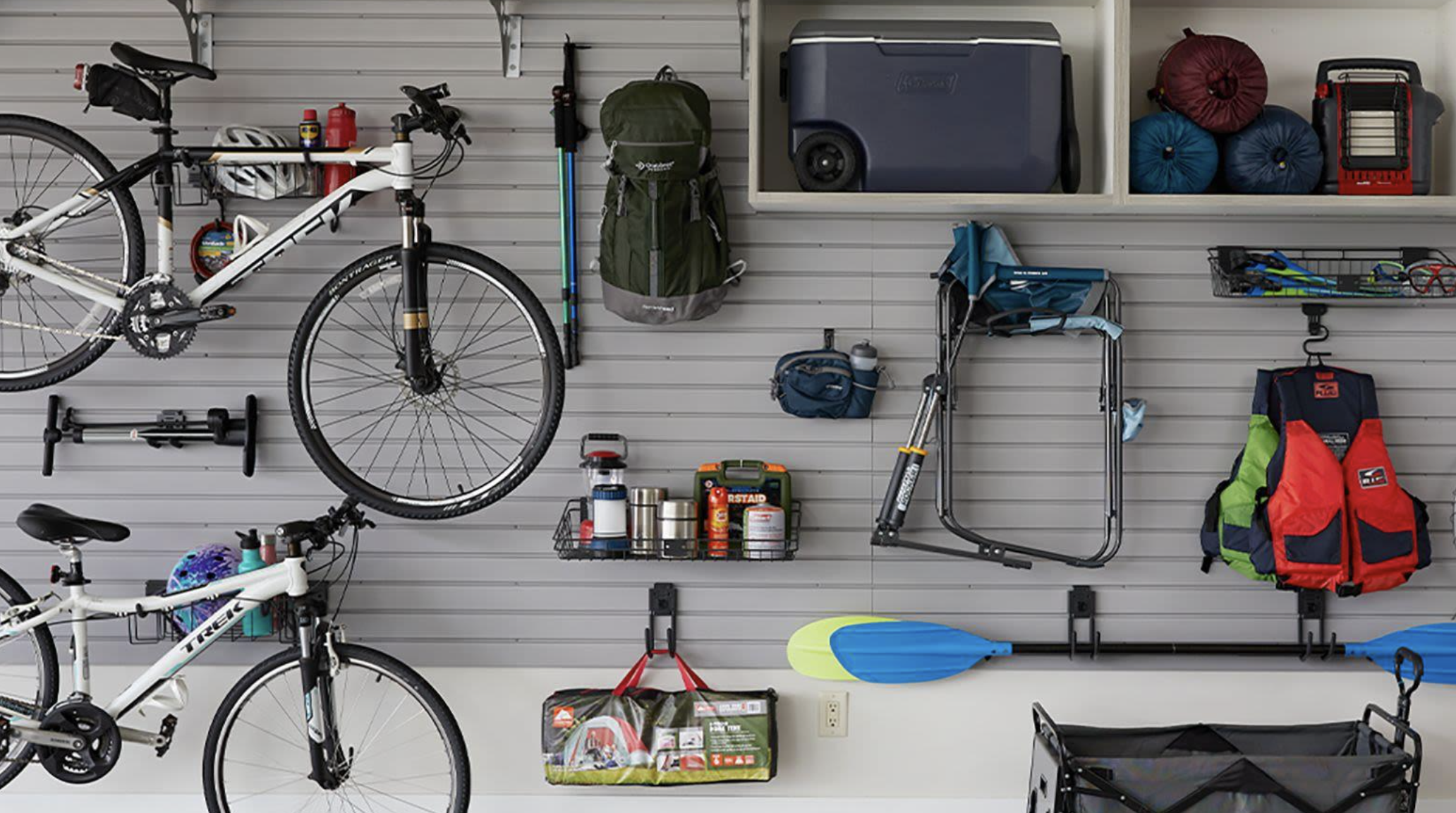
I'm not talking about your couch or dining room table. Most buyers can figure out whether their furniture will fit. I'm talking about the mountain bikes, camping equipment, holiday decorations, lawn mower, and everything else you've somehow accumulated over the years.
Colorado homeowners tend to have a lot of outdoor gear, and that stuff needs somewhere to live. Consequently, storage can become a pretty important part of everyday life. I've shown plenty of beautiful homes with impressive kitchens and spacious living rooms that somehow forgot people need somewhere to put their belongings.
Before making an offer, take a closer look at the garage, closets, basement, and other storage areas. A home can have plenty of square footage and still feel cramped if there's nowhere practical to put your belongings.
My advice: Think about what you own today and what you might need room for five years from now.
TWO | Pay Attention to Which Direction the House Faces
Here's something that might not cross your mind when touring Denver homes for sale. Which direction does the driveway face?
A south-facing driveway might not seem like a selling point in September. However, once February arrives, you'll probably appreciate how quickly the sunshine helps melt the snow. Anyone who's spent a Colorado winter scraping ice off a shaded driveway knows exactly what I'm talking about.
The direction a home faces also affects natural light and indoor temperatures. For example, west-facing windows can bring beautiful evening light into your living room. During the summer, though, those same windows may make the space noticeably warmer. Meanwhile, north-facing areas often stay shaded longer, which can mean lingering snow and ice during the winter months.
None of these details should automatically eliminate a property from consideration. Still, understanding how your home interacts with Colorado's climate can help you avoid a few surprises and make a more informed decision.
THREE | Explore Denver Neighborhoods Beyond the Weekend Showing
A neighborhood can look pretty fantastic on a quiet Sunday afternoon. The streets are peaceful, people are walking their dogs, and everything seems exactly how you'd imagined.
Now picture that same street at 7:30 on a Tuesday morning.
Is there heavy commuter traffic? Are parents lining up for school drop-off? Does street parking disappear every evening? These are the kinds of things you might not notice during a quick showing, but they can have a real impact on your daily routine.
When buying a home in Denver, I always recommend spending time in the surrounding neighborhood outside your scheduled showing. Drive through during rush hour, visit on a weekday evening, or take a walk and see how the area feels. Additionally, consider your proximity to grocery stores, restaurants, parks, and the places you visit regularly.
A beautiful house can lose some of its appeal when your daily commute becomes a headache or you realize that getting anywhere requires more time than you'd anticipated.
Remember: You can renovate a kitchen. You can't renovate your entire neighborhood.
FOUR | That Beautiful Backyard Might Come With a Second Job
I love a great outdoor space. A big yard, mature trees, and a beautiful patio can make a Colorado property incredibly appealing, especially when you picture spending summer evenings outside with friends and family.
However, there's a difference between enjoying a backyard and maintaining one.
Those mature trees might provide wonderful shade during the summer, but come fall, you'll also be spending a fair amount of time collecting leaves. Similarly, a large lawn means watering, mowing, and keeping up with landscaping. Before purchasing a home, consider how much time and money you're willing to spend on outdoor maintenance.
Colorado's dry climate also makes irrigation and landscaping choices particularly important. A lush green lawn might look great in the listing photos, but it's worth understanding what it takes to keep it looking that way.
For some homeowners, maintaining a beautiful yard is part of the fun. For others, it's one more thing competing for their weekends. Neither preference is wrong, but knowing which category you fall into can help you find a property that better fits your lifestyle.
FIVE | Look Beyond the Listing Photos When Buying a Denver Home
Real estate photography has one job: Make a property look its best. Naturally, the listing photos highlight beautiful kitchens, spacious living rooms, and updated bathrooms.
You probably won't see a close-up of the electrical panel, the furnace, or the grading around the foundation. Yet those less glamorous details can have a significant impact on your finances after closing.
When buying a home in Denver, pay attention to the condition of major systems, including:
- Roof: Consider its age, condition, and maintenance history.
- Heating and cooling: Ask about the age and service history of the HVAC equipment.
- Plumbing: Look for signs of leaks, water damage, or outdated materials.
- Electrical: Understand whether the system meets your needs and whether updates may be necessary.
- Foundation and drainage: Watch for potential moisture problems and areas that may need further evaluation.
A professional home inspection can help identify concerns that aren't obvious during a showing. Depending on the property, additional inspections may also be worthwhile.
After years of working with homes throughout the Denver metro area, I've learned that cosmetic updates don't always tell the full story. A beautiful renovation is great, but knowing what's happening behind the walls is even better.
SIX | Think About Your Actual Tuesday Night
Here's one of my favorite pieces of homebuying advice. Forget the housewarming party for a minute.
Forget the holiday gatherings, the backyard barbecues, and how great the dining room will look when you host Thanksgiving. Instead, think about your average Tuesday.
Where will you put your keys when you get home? Is there enough space to unload groceries without navigating an obstacle course? Can two people get ready in the morning without constantly getting in each other's way?
If you work remotely, is there a comfortable space where you can concentrate? For families with children or pets, does the layout make everyday routines easier? These questions might sound simple, but they can tell you more about how well a house fits your lifestyle than the number of bedrooms alone.
Some properties are fantastic for entertaining but surprisingly inconvenient for daily living. I've seen homes with beautiful open layouts that look incredible in photos, only to realize there isn't a practical place for a home office, a mudroom, or even a decent amount of storage.
Ultimately, the best floor plan isn't necessarily the most impressive one. It's the one that works for the way you actually live.
SEVEN | Location Still Matters in Denver Real Estate
I know. Every Realtor talks about location. There's a reason for that.
You can update a bathroom, replace flooring, or remodel a kitchen. However, you can't move your house ten minutes closer to your favorite mountain biking trail.
For some Denver homebuyers, location means walkable neighborhoods, restaurants, and easy access to downtown. For others, it's proximity to the foothills, outdoor recreation, a shorter commute, or a little more space between neighbors. There's no universal definition of a great location because everyone has different priorities.
When exploring Denver neighborhoods, think beyond the property itself. Consider how often you'll visit nearby amenities, what your commute might look like, and whether the area supports your lifestyle. A home might check every box on your wishlist, but if you're spending an extra hour in the car every day, those beautiful finishes might start to matter a little less.
I've seen buyers get distracted by a beautifully updated house, only to realize the location doesn't really work for them. That's a compromise worth considering carefully, especially when you're making a decision as significant as buying a home.
What Really Matters When Buying a Home in Denver?
After helping people buy and sell homes throughout the Denver metro area since 2006, I've learned that the details that matter most aren't always obvious during a 30-minute showing.
Sometimes it's a garage that actually fits your vehicles and mountain bikes. Other times, it's a driveway that gets enough sunshine to melt the snow. It might even be a house that isn't particularly flashy but makes your everyday life a whole lot easier.
Those features probably won't make for the most exciting listing photos. Still, they can make a significant difference once you're living there.
My advice? Enjoy the beautiful kitchens, get excited about the mountain views, and appreciate the homes that make you stop and picture your future. Just remember to look beyond the things that initially catch your attention.
Eventually, the showing ends, the moving boxes get unpacked, and the house becomes the place where you actually live. That's when all those little details start to matter.
Ready to Buy a Home in Denver, Colorado?
Whether you're buying your first home, relocating to Colorado, or searching for a property closer to the mountains, having an experienced Denver Realtor in your corner can make the process easier.
I've been helping buyers and sellers navigate the Denver real estate market for 20 years. My goal is simple: Help you find a home that makes sense for your lifestyle, priorities, and long-term plans.
Thinking about buying a home in Denver or the surrounding Colorado communities?
Reach out to Pete Musser at Seven6 Real Estate. I'd be happy to help you get started.

Seven6 Real Estate is a boutique real estate agency in Denver, Colorado helping home buyers and sellers achieve their personal and financial goals while maximizing their investment.


12650 W 64th Ave, Unit E #111
Arvada, CO 80004
Site by Mothershed Design Co. | Privacy Policy | Terms of Use | © Seven6 Real Estate. All Rights Reserved.